Home Window Tinting Near Me: A Local Guide
Find trusted home window tinting near me: tips, costs, and how to choose local experts.
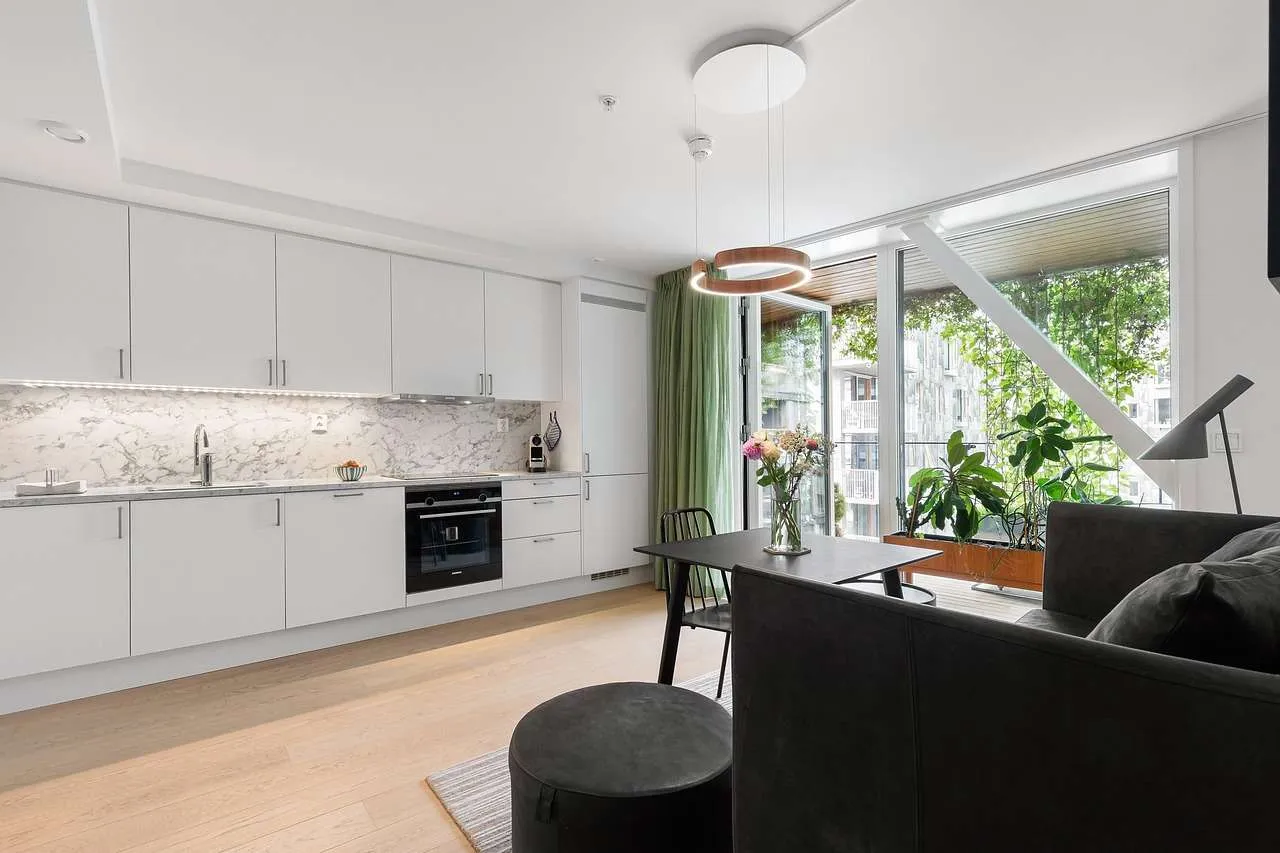
Choosing home window tinting near me means you're looking for local, trusted pros who can deliver energy savings, UV protection, privacy, and curb appeal. This guide helps you understand what to ask, what film options exist, and how to evaluate quotes so you can hire with confidence.
Why choose a local provider
Local window tinting pros understand regional codes, climate, and installation nuances. They can offer on-site assessments, faster scheduling, and warranties that cover your area. A nearby installer is also more likely to respond quickly if you need service after installation.
What to look for in home window tinting near me
- Licensing, insurance, and experience: verify valid business licenses and general liability coverage. Ask how long the company has tinted homes and request a portfolio of recent projects.
- Film options and performance: learn about ceramic, metalized, dyed, and hybrid films, including heat rejection, UV protection, glare reduction, and fade resistance. Ceramic films typically offer the best overall performance without signaling interference.
- Warranty terms: read the warranty for film integrity, color stability, and installation guarantees. A strong warranty demonstrates confidence in the product and workmanship.
- Pricing and transparency: request written estimates that itemize materials, labor, and any add-ons. Beware unusually low bids that may indicate lower film quality or cut corners.
- Compliance and edge care: ensure the installer explains local window tinting laws and provides guidance on maintenance and cleaning to preserve the film.
Film types and performance
Choosing the right film depends on your goals—energy savings, privacy, or a specific aesthetic. Ceramic films offer high heat rejection, excellent UV protection, and strong color stability. Dyed films are budget-friendly but may fade or show color changes over time. Metalized and hybrid films block more heat but can occasionally cause interference with some sensors or devices. Your installer should match the film to your windows and climate, while confirming that the shade complies with local rules.
Comparison of common tint film types
| Film Type | Heat Rejection | UV Rejection | Signal Interference | Longevity | Typical Cost |
|---|---|---|---|---|---|
| Ceramic | High | Excellent | None | Excellent | Medium-High |
| Metalized | Very High | Good-Excellent | Possible interference | Good | Medium |
| Dyed | Low-Medium | Good | None | Moderate | Low |
| Hybrid | Medium-High | Very Good | Possible interference | Very Good | Medium |
How to find home window tinting near me
Start with a local search and read recent customer reviews. Check for licensing, insurance, and professional certifications. Request on-site assessments to compare window-by-window recommendations, estimated square footage, and installation timelines. Ask for a written, fixed-price proposal and a clear warranty statement. Look at project galleries and demand references from homeowners with similar window styles.
Process: from consultation to installation
- Initial contact and needs assessment: clarify goals (heat reduction, privacy, aesthetics) and schedule a measurements visit.
- Product selection: your installer shows film samples and explains performance and warranty terms.
- Custom measurement and prep: professionals protect frames and floors; ensure glass surfaces are clean for precise application.
- Installation and curing: the film is applied, trimmed, and allowed to cure; avoid cleaning with ammonia-based products during the cure period.
- Final inspection: confirm adhesion, appearance, and warranty documentation; obtain care instructions for upkeep.
Cost considerations and savings
Home window tinting costs vary by window size, film type, and labor. Typical ranges are described per window or per square foot, with ceramic and high-performance films costing more upfront but offering greater energy savings and comfort. Many homeowners recover the cost over time through lower cooling loads and reduced glare. Some insurers or energy programs may provide rebates for energy-efficient upgrades—check local offers and ensure the installer provides a detailed breakdown for review.
Legal and care guidelines
Verify local laws on tint darkness for residential windows, particularly for front windows. The installer should provide maintenance tips to preserve film clarity, such as using non-ammonia cleaners and avoiding abrasive scrubs. Proper care extends film life and maintains the intended appearance.
Conclusion, or rather a concluding reminder: the core idea is to select a local, licensed, and transparent window tinting partner who offers the right film for your climate, a solid warranty, and clear pricing. The best choice balances performance, value, and dependable service.
Summary: To find the right home window tinting near me, focus on licensed pros, transparent pricing, film type suitability, warranties, and local codes. By comparing options and reading reviews, you can select a reliable local specialist who delivers improved comfort and energy savings.